
Ownership Structures of Online Casinos: A Comprehensive Study
Online casinos have grown exponentially in popularity over the past two decades, transforming the gambling landscape and creating a complex web of ownership structures. Understanding who owns stakes in online casinos is crucial for various stakeholders, including investors, regulators, and consumers. This report delves into the ownership frameworks of online casinos, highlighting key players, investment patterns, and the implications of these structures.
The ownership of online casinos can be classified into several categories: private ownership, public companies, and partnerships. Private ownership typically involves individual entrepreneurs or small groups who establish and manage online casinos. These operators often focus on niche markets, offering specialized games or targeting specific demographics. While private ownership can foster innovation and personalized service, it may also come with limitations in terms of capital and market reach.
Publicly traded companies represent another significant segment of online casino ownership. These companies are listed on stock exchanges and have shareholders who invest in their operations. Major players in this sector include well-known gaming corporations such as Caesars Entertainment, MGM Resorts, and Flutter Entertainment. These companies often have diversified portfolios that include both online and land-based gambling operations. The public ownership model allows for greater access to capital, enabling larger marketing budgets and technological advancements. However, it also subjects these companies to greater scrutiny from investors and regulatory bodies.
Partnerships and joint ventures are also common in the online casino landscape. In many cases, established gaming companies partner with technology firms to leverage their expertise in software development and digital marketing. These collaborations can enhance the user experience and expand the reach of online casinos. For instance, a traditional casino may partner with a tech startup to create a mobile app, thus tapping into the growing market of mobile gaming. Such partnerships can lead to shared risks and rewards, allowing both parties to benefit from each other’s strengths.
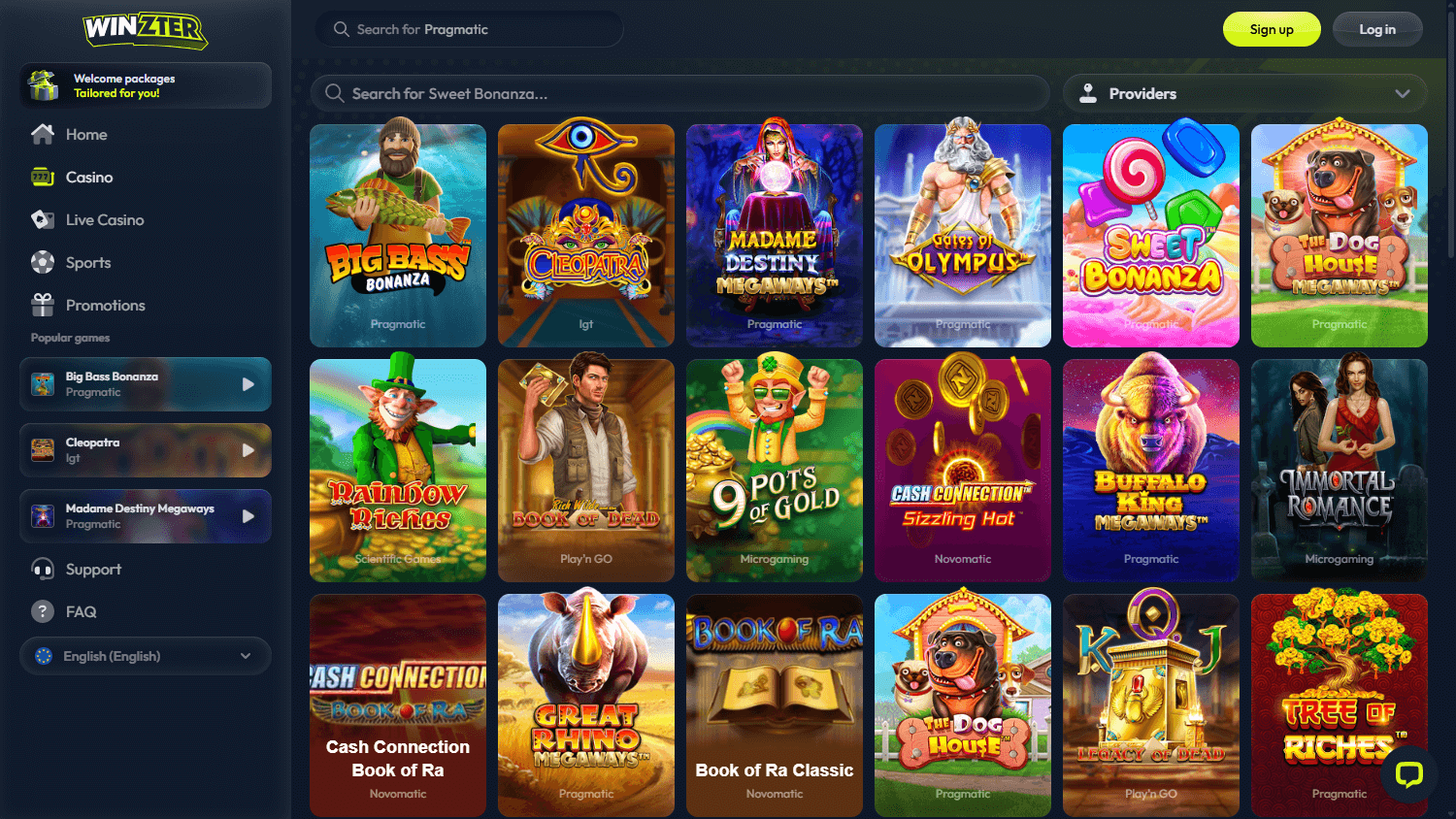
The regulatory environment plays a crucial role in determining ownership structures within the online winzter casino review (winzter-casinouk.com) industry. Different jurisdictions have varying laws regarding gambling, which can influence who can own and operate an online casino. For example, in some regions, only licensed operators can offer online gambling services, necessitating partnerships with local entities. This can lead to complex ownership arrangements where foreign companies collaborate with local firms to navigate regulatory challenges.
Moreover, the rise of cryptocurrencies has introduced new ownership dynamics in the online casino sector. Some operators are beginning to accept cryptocurrencies as a form of payment, attracting a different demographic of players. This shift has led to the emergence of blockchain-based casinos, which operate on decentralized networks. Ownership in these platforms can be more fluid, with players often having stakes in the casino’s operation through token systems.
In conclusion, the ownership of online casinos is multifaceted, involving a mix of private individuals, public corporations, and partnerships. Each ownership structure presents its own set of advantages and challenges, influenced heavily by regulatory frameworks and technological advancements. As the online gambling market continues to evolve, understanding these ownership dynamics will be essential for anyone looking to engage with the industry, whether as an investor, regulator, or consumer.